
The Significance of Interior Design in Enhancing the Well-Being of Dementia Patients
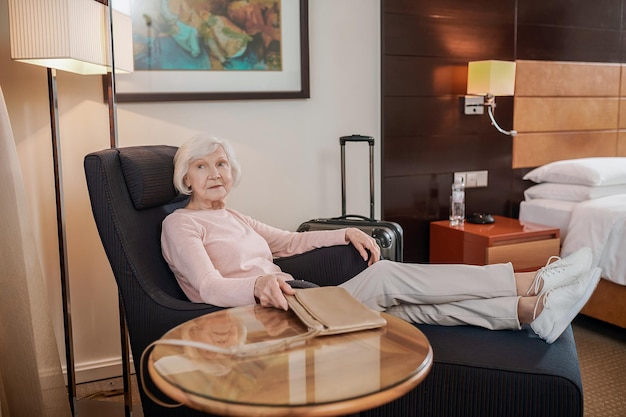
Interior design plays a vital role in creating environments that significantly impact the lives of individuals, especially those dealing with dementia. Dementia is a progressive condition affecting cognitive abilities and memory, often leading to confusion and disorientation.
Creating a supportive and comfortable interior environment can have a profound effect on the well-being and quality of life of individuals coping with dementia. Understanding the impact of interior design on dementia patients is crucial in providing them with a conducive and nurturing space. Here’s what luxury old age homes in Gurgaon/Delhi-NCR keep in mind when designing their properties:
1. Spatial Layout and Wayfinding:
Interior design can aid dementia patients in navigating their surroundings by employing simple and intuitive spatial layouts. Clear pathways, prominent signage, and easily recognizable landmarks within the space can help minimize confusion and disorientation. Distinctive color contrasts on walls and flooring can also assist in wayfinding, guiding patients through different areas and reducing the risk of getting lost.
2. Lighting and Visibility:
Proper lighting is essential in dementia-friendly interiors. Well-lit spaces with natural light and strategically placed artificial lighting can enhance visibility and reduce shadows that might cause confusion or discomfort. Adequate lighting also helps maintain the patients’ circadian rhythms, promoting better sleep patterns and overall well-being.
3. Familiar and Homelike Settings:
Creating an environment that resembles a familiar and homelike setting can evoke feelings of comfort and security for dementia patients. Incorporating familiar objects, photographs, and personal belongings can trigger positive memories and a sense of identity, reducing anxiety and agitation.
4. Safety and Accessibility:
Interior design in dementia care facilities should prioritize safety and accessibility. Rounded furniture edges, slip-resistant flooring, handrails, and easily accessible amenities reduce the risk of accidents or falls. Ensuring that spaces are easily navigable and free from clutter can enhance safety for patients with dementia.
5. Sensory Stimulation and Calming Environments:
Engaging the senses through well-thought-out design elements can be beneficial. Soft textures, soothing colors, and comfortable furniture contribute to creating a calming and relaxing atmosphere. Additionally, incorporating sensory gardens, tactile elements, or soothing music can stimulate positive emotions and reduce stress among dementia patients.
6. Functional and Supportive Design:
Adapting the interior design to meet the functional needs of dementia patients is crucial. Utilizing contrasting colors to differentiate furniture and fixtures, labeling drawers and cabinets clearly, and using ergonomic designs for furniture can aid patients in independently completing daily tasks, fostering a sense of autonomy and self-esteem.
7. Supportive Common Areas and Social Spaces:
Designing communal areas that encourage social interaction and engagement can significantly benefit dementia patients. These spaces should be inviting, and comfortable, and provide opportunities for socialization, activities, and meaningful interactions, promoting emotional well-being and a sense of belonging.
The impact of interior design on dementia patients extends beyond aesthetics; it profoundly influences their emotional state, behavior, and overall quality of life. By incorporating thoughtful design principles focused on safety, familiarity, sensory stimulation, and functionality, interior spaces can significantly improve the daily experiences of individuals living with dementia.
Designing environments tailored to the specific needs of dementia patients requires collaboration between architects, interior designers, healthcare professionals, and caregivers. This collaborative approach of designing luxury old age homes in Gurgaon/Delhi-NCR ensures that spaces are not only aesthetically pleasing but also highly functional and supportive, promoting the well-being and dignity of those affected by dementia.
About Author