
Planning and Responding to Natural Disasters and Industrial Accidents
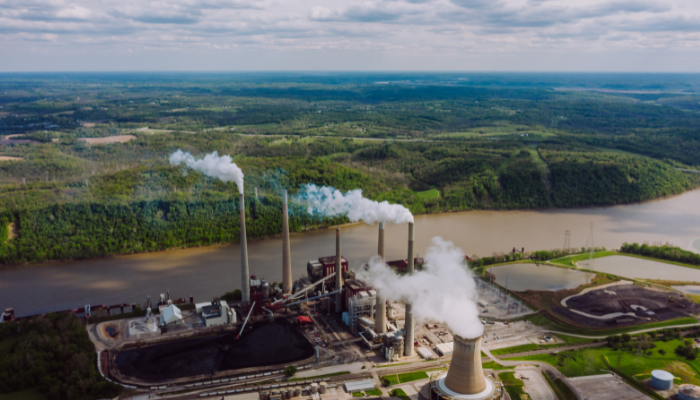
Emergencies are inevitable, whether they are natural disasters like hurricanes, earthquakes, or floods, or industrial accidents such as chemical spills or fires. While we cannot always prevent these events, we can prepare for them and respond effectively to mitigate their impact. This is where emergency preparedness and response planning, often emphasized in NEBOSH courses, come into play. In this blog, we will delve into the importance of being prepared for emergencies and understanding how to respond when they occur.
The Significance of Emergency Preparedness
-
Life Preservation: The primary goal of emergency preparedness is to save lives. Having a well-thought-out plan in place ensures that people know what to do and where to go when disaster strikes, reducing the risk of casualties.
-
Property Protection:In addition to human lives, preparedness measures also help protect property and assets. This can include securing valuable equipment, documents, and facilities.
-
Continuity of Operations: Businesses and organizations need to ensure that they can continue essential functions during and after an emergency. A good preparedness plan minimizes downtime and disruptions.
-
Community Resilience: When communities are prepared, they can bounce back more quickly from disasters. This resilience is built on individuals, families, and organizations working together to minimize damage and facilitate recovery.
The Key Components of Emergency Preparedness
-
Risk Assessment: Understanding the specific risks that your area or organization faces is the first step. This includes identifying potential natural disasters and industrial hazards.
-
Emergency Response Team: Designate a team responsible for emergency response. This team should be trained and equipped to handle various scenarios.
-
Communication Plan: Establish clear communication protocols, both internally and externally. Ensure that all employees, residents, or community members know how to receive and convey important information.
-
Evacuation Plans: If necessary, create evacuation plans with designated routes and assembly points. Regular drills and exercises are crucial to ensure everyone knows what to do.
-
Emergency Kits and Supplies: Stock emergency kits with essential supplies like food, water, first-aid supplies, and flashlights. These kits should be easily accessible.
-
Training and Education: Regularly train employees, residents, or community members on emergency procedures and the use of emergency equipment.
Responding to Emergencies and The Critical Steps
-
Assess the Situation: When an emergency occurs, the first step is to assess the situation. Determine the nature and extent of the emergency to make informed decisions.
2. Activate the Response Team: Alert your designated emergency response team and initiate your emergency communication plan.
3. Evacuation if Necessary: If the situation requires evacuation, follow your predetermined evacuation plan. Ensure that everyone gets to safety.
4. Provide First Aid: Attend to injured individuals promptly. Having trained first-aiders on your team is invaluable in these situations.
5 Notify Authorities: Depending on the severity of the emergency, you may need to notify local authorities or emergency services.
6. Activate Continuity Plans: If you’re a business, activate your continuity plans to ensure that essential operations continue even during the emergency.
7. Communicate Constantly:Keep everyone informed about the situation’s developments and when it’s safe to return to normal activities.
8. After-Action Review: Once the emergency is resolved, conduct a thorough after-action review to identify what worked well and where improvements can be made.
Real-World Example: Hurricane Preparedness
Let’s consider a real-world example of emergency preparedness: hurricane readiness. Coastal areas often face the threat of hurricanes, and a well-prepared community can significantly reduce the impact of these storms.
-
Risk Assessment: Identify the hurricane-prone areas and assess the potential damage.
-
Evacuation Plans: Develop evacuation routes and communicate them to residents. Establish shelters for those who cannot evacuate.
-
Emergency Kits: Encourage residents to have hurricane kits ready with essentials like water, non-perishable food, flashlights, and batteries.
-
Communication: Set up a system to provide timely updates and warnings to residents, especially as a storm approaches.
-
Response Team: Train emergency response teams, including first-aid teams, search and rescue teams, and local government officials.
-
After the Hurricane: Conduct damage assessments, provide support to affected individuals, and work on recovery efforts.
Emergency preparedness and response are essential for safeguarding lives, property, and the overall well-being of communities and organizations. By understanding the importance of planning and responding effectively to emergencies, we can reduce the impact of disasters and increase our resilience in the face of adversity. Whether you’re an individual, a business owner, or a community leader, taking proactive steps toward preparedness can make a significant difference when the unexpected occurs.
About Author