
Ayodhya: The Untold Story of the Lord Rama
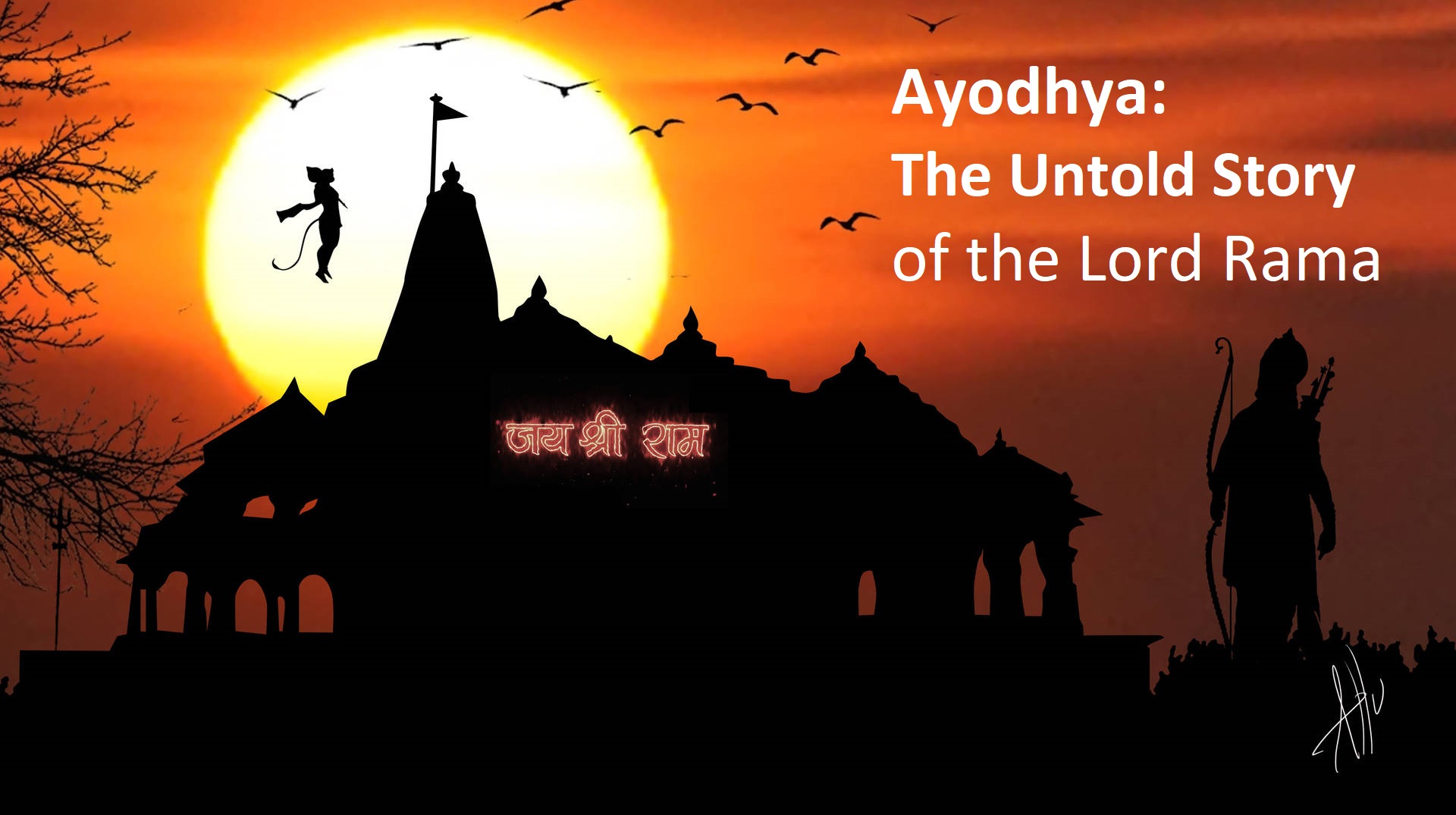
Nestled along the banks of the sacred Sarayu River, Ayodhya is a city that resonates with the echoes of ancient tales, mythological legends, and the spiritual yearnings of millions. While much has been written about the Ayodhya dispute and the Babri Masjid, there is a side to Ayodhya that often remains untold—the timeless charm and rich cultural heritage that define this historic city.
In this blog post, we’ll take you on a journey to explore Ayodhya beyond the controversies, focusing on its historical significance, cultural heritage, and the enduring spirit of its people.
Ayodhya’s Timeless Charm
Ayodhya, often referred to as the birthplace of Lord Rama, is steeped in history that stretches back millennia. The city’s ancient roots are traced to the Treta Yuga, one of the four ages in Hindu cosmology. It is believed that Ayodhya served as the capital of Lord Rama’s kingdom during this era.
Walking through the narrow streets of Ayodhya, you’ll find yourself transported to a bygone era. The city is adorned with magnificent temples, each telling a story of devotion and architectural brilliance. The temples are not just places of worship; they are living testaments to the enduring faith of the people of Ayodhya.
The Hanuman Garhi temple, perched on a hill, offers breathtaking panoramic views of the city. Devotees climb the 76 steps to reach the temple, symbolizing their journey to Lord Hanuman’s abode. It is said that Hanuman Garhi is a symbol of unwavering devotion, and it attracts pilgrims from across the country.
The Kanak Bhavan, another prominent temple, houses beautiful idols of Lord Rama and Sita. Legend has it that this temple was a gift from Lord Rama to his beloved queen, Sita. The exquisite architecture and intricate carvings make it a must-visit for those seeking solace and spiritual enlightenment.
Cultural Riches of Ayodhya
Ayodhya is not just a city of temples; it’s a repository of cultural riches. The city’s vibrant culture is a fusion of art, music, and dance, which has thrived for centuries. The residents of Ayodhya take immense pride in preserving and propagating these traditions.
The Ram Leela, a dramatic reenactment of Lord Rama’s life, is a cultural extravaganza that unfolds during the festival of Diwali. The entire city comes alive with colorful processions, captivating performances, and a sense of communal harmony that is truly heartwarming. The Ram Leela is not just a performance; it’s a celebration of Ayodhya’s cultural identity.
Another jewel in Ayodhya’s cultural crown is its folk music and dance. The melodious tunes of the sitar, tabla, and harmonium resonate through the city, inviting both locals and tourists to join in the celebration. The traditional dance forms, such as Kathak, come alive in Ayodhya, connecting the past with the present through graceful movements and rhythmic beats.
Ayodhya’s Markets and Cuisine
Exploring Ayodhya’s bustling markets is an experience in itself. The local bazaars offer a wide array of handicrafts, souvenirs, and traditional clothing. The skilled artisans of Ayodhya produce intricate items like wooden toys, pottery, and handwoven textiles that make for perfect keepsakes.
No visit to Ayodhya is complete without indulging in its delectable cuisine. The city’s culinary heritage is a fusion of flavors that have evolved over centuries. From the fragrant biryanis to the mouthwatering sweets like peda and gujiya, Ayodhya’s food reflects its cultural diversity and rich history.
The ‘No Land of Ram’—A Living Legacy
In the heart of Ayodhya lies a piece of land that holds a significant place in the city’s history—the ‘No Land of Ram.’ This is believed to be the exact spot where Lord Rama was born. It is a modest piece of land, unassuming in appearance, but it carries immense spiritual and historical importance.
The ‘No Land of Ram’ is a symbol of Ayodhya’s enduring connection with Lord Rama. Despite the controversies surrounding Ayodhya, this spot remains a testament to the faith and devotion of millions of devotees who visit it each year. The belief in Lord Rama’s birth at this very place is unshaken, and it is a source of solace and inspiration for pilgrims.
Ayodhya is a city that transcends disputes and controversies. It is a place where history, culture, and spirituality converge, offering a unique and enriching experience to all who visit. The ‘No Land of Ram’ may be a simple piece of land, but it embodies the enduring spirit of Ayodhya—a city that has stood the test of time and continues to inspire people from all walks of life.
As you wander through Ayodhya’s ancient streets, you’ll discover not just a city but a living legend—a place where the past and present coexist harmoniously, where faith and culture thrive, and where the story of Lord Rama’s birth is eternally told in the hearts of its people. Ayodhya is not just a place; it’s an experience, a journey, and an embodiment of timeless devotion.
About Author