
Achieve Perfect Drone Routes by Understanding Ground Control Points
This article will discuss how ground control point targets may optimize aerial operations and create optimum drone routes.
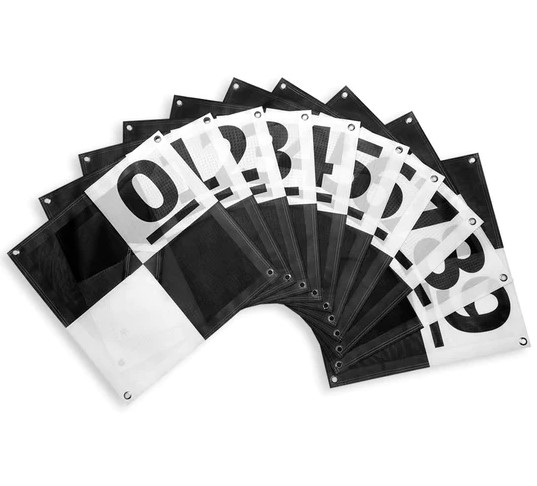
Drones have become vital tools for aerial pictures. They’re used in different tasks, ensuring precise and efficient drone routes often rely upon a fundamental factor. In this article, we will explore the role of ground control point targets in achieving perfect drone routes and how they can make a full-size distinction in optimizing your aerial missions.
The Art of Drone Routing
Drone routing is the art of planning the flight route for a drone to accumulate information or capture pics. The goal is to cover the preferred area successfully and appropriately. Achieving this degree of precision is one in which GCPs come into play. As drones become increasingly important in various industries, learning their routes is an art. It involves optimizing paths to strength, avoiding problems, and meeting delivery deadlines. Advanced algorithms and real-time facts are pivotal in this art, permitting drones to navigate dynamically. The artwork of drone routing is not constrained to transportation; it extends to observation, agriculture, or even enjoyment in this complex masterpiece of era and creativity.
Understanding Ground Control Points
Ground Control Points, or GCPs for quick, are bodily markers placed on the floor with regarded geographic coordinates. These coordinates are decided through advanced surveying techniques and GPS or overall stations. GCPs are reference factors linking the drone’s flight route and facts to unique actual international places.
Georeferencing for Accuracy
The cornerstone of the best drone routes is accuracy. GCPs enable georeferencing, the method of aligning the drone-captured facts with precise geographic coordinates. By doing so, GCPs ensure that each information factor gathered for the flight duration corresponds accurately to a selected location on the ground.
Precision Mapping with GCPs
One of the number one applications of drones is mapping. Whether growing orthomosaic maps or 3-D models, GCPs substantially enhance the precision of these outputs. The accurate distortions that can arise throughout statistics collection result in maps that might be notably precise and authentic to scale.
Elevating Vertical Accuracy
For missions in which vertical accuracy is important, which include construction or terrain modeling, GCPs are invaluable. They ensure that elevation statistics in 3-D fashions or digital elevation fashions (DEMs) display the actual topography of the vicinity. In this way, they make it indispensable for extent calculations and elevation analysis.
Legal Compliance and Surveying
Industries like land surveying and production require adherence to criminal standards and rules. GCPs provide the spatial accuracy and documentation necessary to assemble these standards. They function as a dependable basis for property boundary dedication, dispute resolution, and ensuring construction initiatives adhere to approved plans.
Precision Agriculture
In agriculture, precision is prime to optimizing crop management. GCPs play an essential position in precision agriculture by ensuring that drone-generated records, including Normalized Difference Vegetation Index (NDVI) maps, appropriately represent specific discipline places. This allows farmers to make informed selections about irrigation, fertilization, and pest management.
Efficient Route Planning
When making plans for drone routes, GCPs function as essential waypoints. They permit green path-making plans by allowing the drone to navigate precisely from one GCP to any other, ensuring the whole coverage of the target location. This performance, now not the most effective, saves time and battery lifestyles and reduces the chance of missing important information points.
Environmental Monitoring
Environmental monitoring and research advantages immensely from drones ready with GCPs. These markers decorate habitat checks, plant life evaluation, and wildlife tracking accuracy. The statistics accrued turn into more reliable and may cause better decisions.
Strategic GCP Placement
To maximize the effectiveness of GCPs, careful consideration has to be accepted for their placement and density. GCPs must be strategically positioned at some point in the survey area, with a higher density in areas where precision is paramount. This ensures that the whole direction benefits from accurate georeferencing.
The Future of Drone Routes with GCPs
As drone technology keeps increasing daily, the synergy between drones and GCPs will remain essential. Innovations in surveying methods and the development of person-friendly GCP-taking picture gear will make the technique even more available across diverse industries. This evolution promises more efficient and particular drone routes.
Conclusion
In conclusion, Ground Control Points are the key to unlocking ideal drone routes. They underpin the accuracy, performance, and reliability of records amassed throughout drone missions. Whether you are mapping a construction website online, optimizing agriculture practices, or undertaking environmental studies, GCPs make certain that your drone routes result in accurate statistics. As the era evolves, the collaboration between drones and GCPs will shape the destiny of aerial operations, creating new opportunities across numerous fields.
About Author