
Illuminating Change: Government Initiatives Providing Free LED Bulbs in the UK
Take advantage of these initiatives, illuminate your home with energy-efficient LED bulbs, and join the movement towards a brighter, greener, and more sustainable United Kingdom.
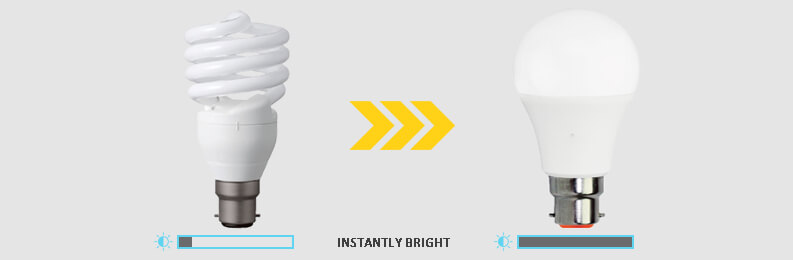
In the pursuit of a more energy-efficient and sustainable future, the United Kingdom is taking strides to revolutionize the way we illuminate our homes. Government initiatives are now offering free LED bulbs as part of a broader strategy to reduce energy consumption, lower electricity bills, and contribute to environmental conservation. In this guide, we’ll shed light on the programs offering free LED bulbs in the UK and how this simple switch can have a significant impact on both individual households and the nation’s energy landscape.
A Bright Idea: Free LED Bulbs for a Greener Tomorrow
LED (Light Emitting Diode) bulbs have gained widespread recognition for their energy efficiency and longevity. Recognizing the potential for significant energy savings, the UK government has rolled out programs to provide free LED bulbs to households across the country.
Government Initiatives Supporting LED Adoption
The primary driver behind the distribution of free LED bulbs is the government’s commitment to reducing carbon emissions and promoting energy efficiency. Initiatives such as the Affordable Warmth Scheme and the Green Homes Grant often include provisions for free LED bulbs as part of their broader efforts to enhance the energy efficiency of homes.
The Impact of LED Bulbs on Energy Consumption
Understanding the impact of LED bulbs on energy consumption is essential to grasp the significance of these government initiatives.
1. Energy Efficiency and Cost Savings
LED bulbs are renowned for their energy efficiency, consuming significantly less electricity than traditional incandescent bulbs. By distributing free LED bulbs, the government aims to lower household electricity bills while simultaneously reducing the overall demand on the national power grid.
2. Longevity and Reduced Environmental Impact
One of the standout features of LED bulbs is their longevity. These bulbs can last up to 25,000 hours or more, compared to the relatively short lifespan of incandescent bulbs. This not only translates to fewer bulbs ending up in landfills but also contributes to a reduction in the environmental impact of manufacturing and disposing of light bulbs.
How to Access Free LED Bulbs: A Simple Process
Availing yourself of free LED bulbs through government initiatives is a straightforward process. Here’s a step-by-step guide on how individuals can benefit from these programs.
1. Check Eligibility Criteria
Most programs offering free LED bulbs target specific demographics, such as low-income households or those living in older, less energy-efficient homes. Checking the eligibility criteria is the first step to determine if you qualify for the free bulb distribution.
2. Participate in Energy Efficiency Programs
Many local energy efficiency programs run in collaboration with the government. By participating in these programs, homeowners may become eligible for free LED bulbs as part of a comprehensive energy-saving package.
3. Contact Local Energy Suppliers
Local energy suppliers often play a crucial role in the distribution of free LED bulbs. Contacting your energy supplier and inquiring about available programs is a proactive way to access these energy-efficient lighting solutions.
Success Stories: Shining a Light on Positive Change
To highlight the tangible benefits of government-led initiatives providing free LED bulbs, let’s explore a couple of success stories from households that have made the switch.
Case Study: The Greenes
The Greene family, residents of a modest home in Manchester, received free LED bulbs through their participation in an energy efficiency program. Not only did this result in noticeable savings on their electricity bills, but the vibrant, energy-efficient lighting also enhanced the overall ambiance of their home.
Case Study: Social Housing Impact
In a social housing project in Birmingham, the installation of free LED bulbs across multiple residences led to a significant reduction in the community’s collective energy consumption. This not only saved residents money but also contributed to the housing association’s broader sustainability goals.
Looking Ahead: The Future of Lighting in the UK
As technology continues to advance, the future of lighting in the UK is poised for further innovation. Here are some trends that might shape the landscape of free LED bulb initiatives.
1. Smart Lighting Integration
The integration of smart lighting solutions could become a focus of future government initiatives. This includes not only providing free LED bulbs but also encouraging the adoption of smart lighting systems that allow for greater control and energy efficiency.
2. Expanded Reach and Inclusivity
Future programs may aim to reach an even broader audience, ensuring that households of all income levels have access to free LED bulbs. This inclusivity can play a pivotal role in creating a more energy-efficient and environmentally conscious society.
Conclusion: Lighting the Way to a Sustainable Future
In conclusion, the provision of free LED bulbs by the UK government is a beacon of change in the nation’s approach to energy consumption. By making this simple yet impactful switch, households can contribute to a more sustainable future while enjoying immediate cost savings.
Take advantage of these initiatives, illuminate your home with energy-efficient LED bulbs, and join the movement towards a brighter, greener, and more sustainable United Kingdom.
About Author