
The Role of Aluminum Alloy Cavities in Lightweight Vehicle Design
One innovative approach involves utilizing aluminum alloy cavities strategically within the vehicle structure.
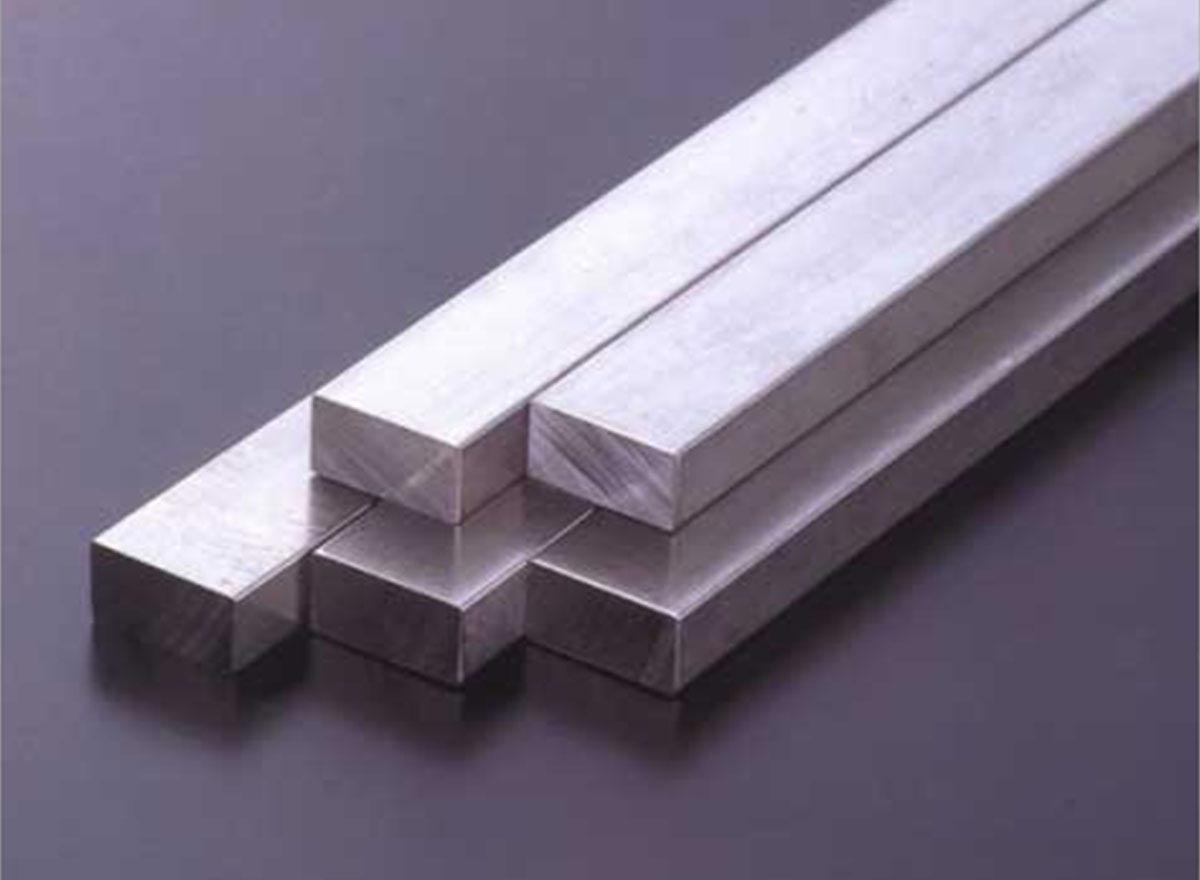
Aluminum alloys have become a cornerstone in the automotive industry’s pursuit of lightweight vehicle designs, owing to their exceptional strength-to-weight ratio. One innovative approach involves utilizing aluminum alloy cavities strategically within the vehicle structure. This article delves into the significant role that aluminum alloy cavity manufacture for play in the design of lightweight vehicles, outlining their benefits, applications, and potential to revolutionize the automotive landscape.
Understanding Aluminum Alloys and Their Benefits
1. Lightweight Properties
Aluminum alloys are known for their remarkable lightweight properties, making them an ideal choice for the automotive industry. The reduced weight contributes to improved fuel efficiency and enhanced overall performance.
2. High Strength-to-Weight Ratio
Aluminum alloys boast an impressive strength-to-weight ratio, providing the required structural integrity while minimizing the vehicle’s overall mass. This characteristic is vital in achieving lightweight designs without compromising safety and performance.
3. Corrosion Resistance
Aluminum alloys possess inherent corrosion resistance properties, ensuring durability and longevity of the vehicle components. This is particularly advantageous in diverse environmental conditions.
4. Recyclability
Aluminum is highly recyclable, promoting sustainable manufacturing practices in the automotive industry. The ability to recycle aluminum alloys contributes to the overall reduction of the carbon footprint.
Aluminum Alloy Cavities: A Design Innovation
1. Utilizing Cavities for Weight Reduction
Incorporating cavities made from aluminum alloys in various vehicle components, such as body panels and structural elements, allows for substantial weight reduction. This weight optimization contributes to fuel efficiency, lower emissions, and improved handling.
2. Strategic Placement for Enhanced Performance
Engineers strategically place aluminum alloy cavities in critical areas of the vehicle to ensure a balance between weight reduction and structural strength. This meticulous design approach maximizes the benefits of aluminum alloys without compromising safety or integrity.
3. Impact on Vehicle Dynamics
The strategic placement of aluminum alloy cavities influences the vehicle’s center of gravity, aiding in better weight distribution and overall stability. This positively impacts vehicle dynamics, enhancing handling and maneuverability.
Applications of Aluminum Alloy Cavities in Vehicle Design
1. Body Panels
Aluminum alloy cavities find significant use in manufacturing lightweight body panels. The integration of these cavities reduces the overall weight of the vehicle, consequently improving fuel efficiency and performance.
2. Chassis Components
Incorporating aluminum alloy cavities into chassis components enhances their strength and rigidity while maintaining a lightweight profile. This is crucial in achieving the desired balance between structural integrity and weight reduction.
3. Suspension Systems
Aluminum alloy cavities can also be integrated into suspension components, contributing to reduced unsprang weight. This results in better ride quality, improved handling, and enhanced overall driving experience.
Future Prospects and Conclusion
The utilization of aluminum alloy cavities in lightweight vehicle design is a promising avenue for the automotive industry. As technology advances and manufacturing processes evolve, we can expect even more innovative applications of aluminum alloys, optimizing vehicle performance, reducing environmental impact, and driving the future of automotive engineering towards sustainability and efficiency. By embracing the potential of aluminum alloy cavities, the automotive industry can create a future where lightweight vehicles are the norm, revolutionizing the way we drive and interact with automobiles.
About Author