
Unveiling the Costs: Developing an App Like Door Dash
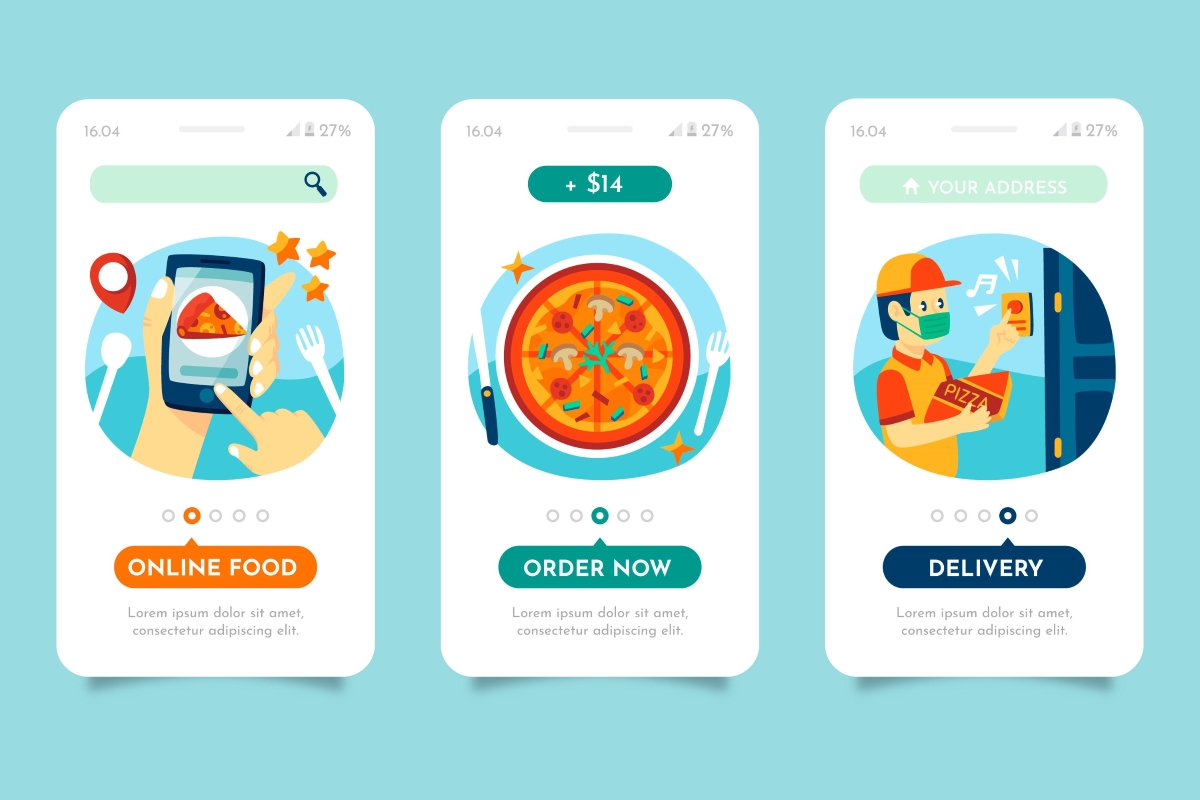
In the fast-paced world of food delivery, apps like Door Dash have revolutionized the way people experience dining. Aspiring entrepreneurs and businesses keen on entering this thriving market often wonder: How much does it cost to develop an app like Door Dash? Let’s break down the key factors influencing the cost of building such a robust platform.
1. Feature Set:
The feature set of your app is a primary determinant of development costs. Door Dash, like many successful food delivery apps, includes features such as user registration, restaurant listings, menu browsing, order placement, real-time tracking, and payment processing. The more sophisticated and user-friendly your features, the higher the development costs.
2. User Interface (UI) and User Experience (UX) Design:
A sleek and intuitive design is crucial for any app’s success. Investing in professional UI/UX design ensures a seamless and visually appealing experience for users. The complexity of your design, including interactive elements and personalized features, can impact development costs.
3. Platform (iOS, Android, Cross-Platform):
Choosing the platforms for your app, whether it’s iOS, Android, or both, significantly influences costs. Cross-platform development using frameworks like React Native or Flutter may offer cost savings by allowing code sharing between platforms.
4. Backend Development:
The backend of your app is the engine that powers it. Implementing functionalities such as order processing, payment integration, and real-time updates requires a robust backend infrastructure. The complexity and scalability of your backend system contribute to development costs.
5. Integration of Third-Party APIs:
Integrating third-party APIs for services like payment gateways, geolocation, and restaurant databases can streamline development but adds to the overall cost. Consider the reliability and scalability of these external services.
6. Geolocation and Real-Time Tracking:
Door Dash’s success lies in its efficient real-time tracking system. Implementing geolocation services for tracking delivery drivers and providing real-time updates to users involves additional costs but is crucial for a competitive food delivery app.
7. Payment Gateway Integration:
Secure and seamless payment processing is a fundamental aspect of any app like Door Dash. Integrating a reliable payment gateway incurs additional costs, and considerations for transaction fees should be factored into the overall budget.
8. Testing and Quality Assurance:
Rigorous testing is essential to ensure a bug-free and reliable app. Testing processes, including functional testing, usability testing, and security testing, add to the development timeline and costs.
9. Regulatory Compliance:
Adhering to regulatory standards and compliance requirements in the food delivery industry is vital. Costs associated with legal consultations and ensuring your app complies with local regulations should be considered.
10. Maintenance and Updates:
Post-launch, ongoing maintenance and updates are necessary to address bugs, improve performance, and introduce new features. Budgeting for long-term maintenance is crucial for the sustained success of your app.
In conclusion, developing an app like DoorDash involves a multifaceted approach with numerous factors influencing costs. Depending on the complexity of features, design, platforms, and additional functionalities, the cost can vary significantly. It’s essential to collaborate with experienced developers, outline clear requirements, and conduct thorough research to create a realistic budget for your venture. Understanding the intricacies of development costs ensures a well-prepared and successful entry into the competitive world of food delivery apps.
Also Read:
Discover the key factors influencing the cost of building a mobile app like DoorDash. From feature-rich development to robust backend systems, explore the essential considerations to create a successful app.
About Author