
What is Level 2 vs Level 3 EV charger?
Learn the difference between Level 2 and Level 3 EV chargers, including power requirements, charging times, and costs. Under 150 characters!
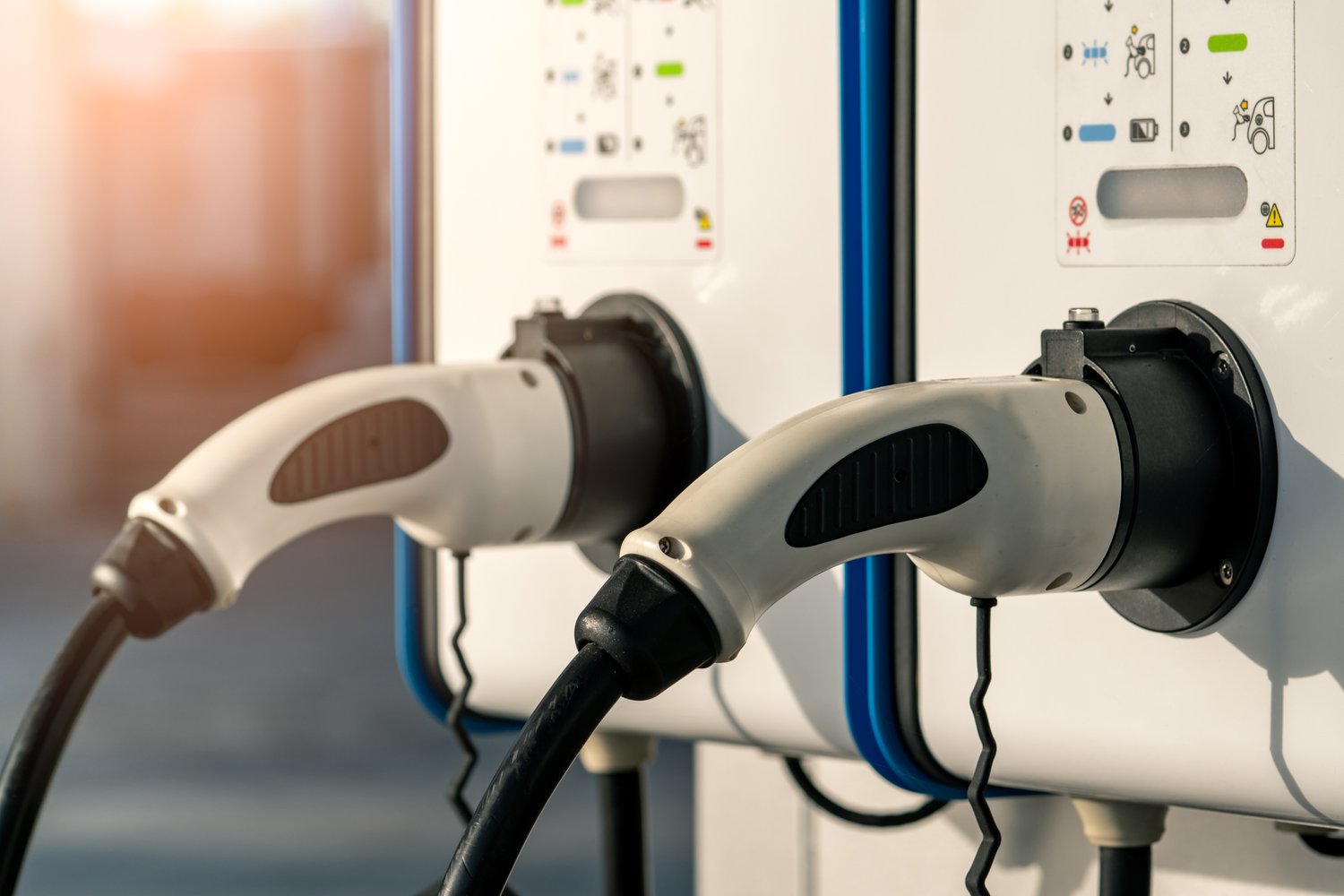
The adoption of electric vehicles (EVs) is on the rise worldwide as more people look for cleaner and more sustainable transportation options. Along with this growing demand for EVs, the need for efficient and practical charging solutions has also increased. Moreover, one of the key decisions EV owners face is choosing between different levels of chargers, particularly Level 2 and Level 3 chargers, for their needs.
Comparison of Top 2 EV Chargers
The Society of Automotive Engineers (SAE) classifies electric vehicle charging into three standard levels indicative of power delivery, and they are listed below:
Level 2 EV Charger:
Level 2 EV Charger is a popular choice for both residential and workplace charging solutions. These are commonly installed at homes, businesses, and public charging stations. It operates at higher voltages, between 208 and 240 volts, which significantly increases charging speed. However, you can expect a range of 10 to 25 miles added per hour of charging, making it suitable for daily use and keeping your EV topped up during the workday or overnight.
Further, Level 2 chargers are more powerful and efficient than Level 1 chargers.
Level 3 EV Charger (DC Fast Charging):
These charging stations deliver over 25 miles of electric range in as little as 5 to 15 minutes, making them ideal for travel and long-distance trips. Level 3 EV Charger is a crucial part of the EV infrastructure, providing rapid recharging for those who need to cover substantial distances in their electric vehicles.
Travel centers, rest stops, and highways are frequently home to Level 3 charging stations, which run at high voltages of 480 volts or more.
Key Components of Level 2 EV Charging
While Level 1 uses existing household outlets, Level 2 requires dedicated infrastructure for faster 240V charging. Moreover, key hardware includes:
Charger Unit:
This wall-mounted device transforms high voltage AC into usable DC current for charging the EV battery. Furthermore, level 2 chargers provide power levels ranging from 3.3 kW to 19.2 kW.
EVSE Cordset:
The flexible charging cable serves as the connection between the charger and the vehicle. Above all, it is equipped with quick-disconnect plugs for secure and safe current transmission.
Electrical Panel Upgrade:
In most cases, homes need electrical service upgrades to accommodate the installation of 240V circuits required for Level 2 chargers.
Conduit and Wiring:
Wiring with a suitable rating for 208/240V current is installed within the protective conduit, connecting the electrical panel to the charger unit.
Grounding and Overcurrent Protection:
Ground Fault Circuit Interrupters (GFCI) and Arc Fault Circuit Interrupters (AFCI) circuits are incorporated for shock protection. Further, circuit breakers are employed to prevent electrical overloads.
Elements of Level 3 Fast Charging Stations
Level 3 utilizes direct current fast charging to enable ultra-quick EV refueling for travel applications. Additionally, key elements are:
DC Fast Charger:
At the heart of Level 3 charging stations, the DC fast charger is responsible for converting high voltage AC power into direct current (DC) at power levels ranging from 50 to 350 kW. This high-power DC output directly replenishes EV battery packs at rapid rates, significantly reducing charging times compared to lower-level chargers.
Liquid-Cooled Cables:
To maintain the integrity and safety of the charging process during high-speed charging, these stations employ liquid-cooled charging cables. These cables are designed with an integrated liquid-coolant circulation system. Moreover, it:
● Effectively prevents overheating
● Ensures a consistent charging experience
Power Conversion Cabinet:
Housed within the charging station, the power conversion cabinet contains essential components, for instance:
● Isolators
● Filters
● Transformers
● Switching systems
Additionally, these components are responsible for transforming and regulating the electrical power supply.
Energy Storage Buffer:
In some cases, Level 3 charging stations incorporate energy storage systems such as batteries or capacitors. The energy buffers are utilized to offload demands from the utility electrical grid, particularly during peak charging loads. This feature:
● Enhances the station’s ability
● Provide high-speed charging
All without overloading the local grid infrastructure!
Payment Processing Systems:
To offer a seamless and user-friendly experience, Level 3 charging stations are equipped with payment processing systems. These systems include networked credit card readers and member account management systems, enabling pay-per-use customer billing.
Additionally, RFID cards can be used to authorize access for members, offering convenience and security.
Comparing Installation and Electrical Demands
The infrastructure demands differ considerably between levels:
Level 2:
● It involves an upgrade of the electrical service panel to accommodate a 240V circuit.
● The charger is hardwired to a 40-60 amp circuit, with conduit and wiring routed to the installation location.
● Often, permits and inspections are necessary before installation and activation.
Level 3:
● Requires a 460-480V three-phase AC electrical service with a capacity of 150 to 400 amps.
● Civil engineering work is needed to connect to medium-voltage utility lines.
● Rigorous site design and permits are essential for high-voltage transformers, conduits, pedestals, and civil pads.
Moreover, the power disparities between levels necessitate extensive infrastructure upgrades to support the fastest EV charging capabilities.
Cost Comparisons of Charging Systems
Level 2 Charging:
The hardware for a home charger can vary in price, ranging from $400 to $1200. A full installation typically costs between $1000 and $3000, which may include necessary electrical service upgrades.
Level 3 Charging:
Hardware costs for Level 3 charging stations vary, with 50 kW units starting at $15,000 and more powerful 350 kW units costing up to $140,000. Installation expenses for Level 3 charging stations typically range from $50,000 to $500,000, taking into account the need for medium voltage utility connections.
Note: In addition to the initial costs, operational expenses such as maintenance, networking fees, and land leasing should be factored in.
Maximizing Future EV Charging Networks
Early public charging networks focused heavily on Level 2 charging. But diversifying infrastructure offers advantages:
Complementary Blend:
A strategic approach involves mixing Level 2 charging stations at destinations and Level 3 stations at travel centers. This caters to the distinct needs of various EV users, providing:
● Flexibility
● Convenience.
Demand Management:
Level 3 charging stations are adept at handling peak demand from travelers, while Level 2 stations can effectively address the requirements of local residents. Further, this approach promises that charging infrastructure is optimized for different user profiles.
Alleviating Range Anxiety:
By offering a combination of charging types, drivers can embark on journeys with confidence. They can rely on Level 3 charging for rapid fill-ups when necessary, reducing concerns about running out of power mid-journey.
Grid Integration:
Smart charging networks play a crucial role in optimizing the timing of Level 2 and Level 3 charging. This intelligent management helps flatten electricity demand curves. Moreover, it lowers the strain on the grid and makes the transition to electric vehicles more sustainable.
Recognizing the unique strengths of each system enables strategically designed charging networks that enhance energy grids while serving diverse public and driver needs.
Conclusion
Ultimately, your choice of charger will depend on your lifestyle, driving habits, and the availability of charging infrastructure in your area. At Clean Clacs, our core belief is that a greener future is within reach and that it begins with informed decision-making.
About Author